
Collection of Works
Cinematic Design & Visual Worldbuilding
Cinematic Design & Visual Worldbuilding
Cinematic Design & Visual Worldbuilding
Collection of Works
Book Your Consultation
Book Your Consultation
Book Your
Consultation
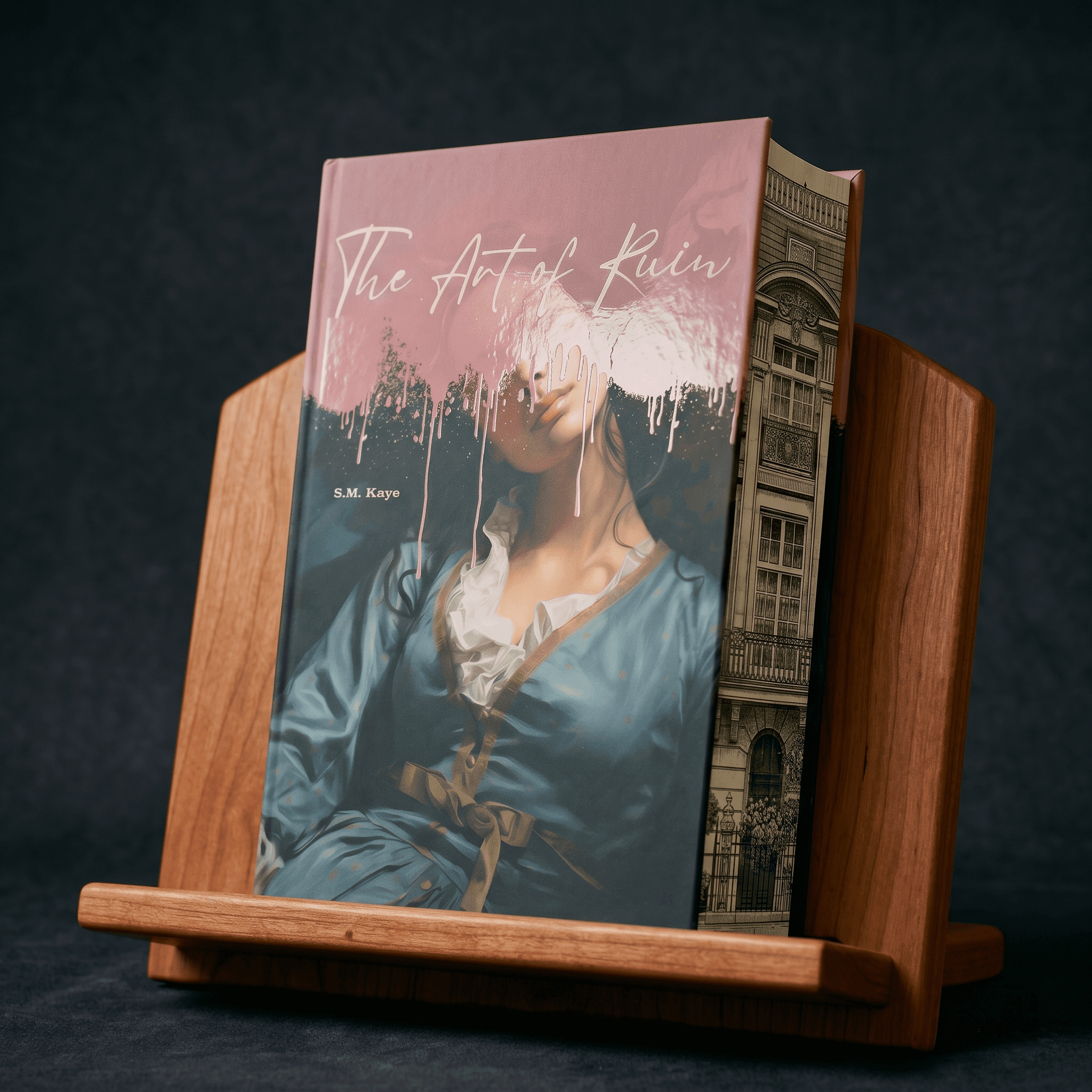
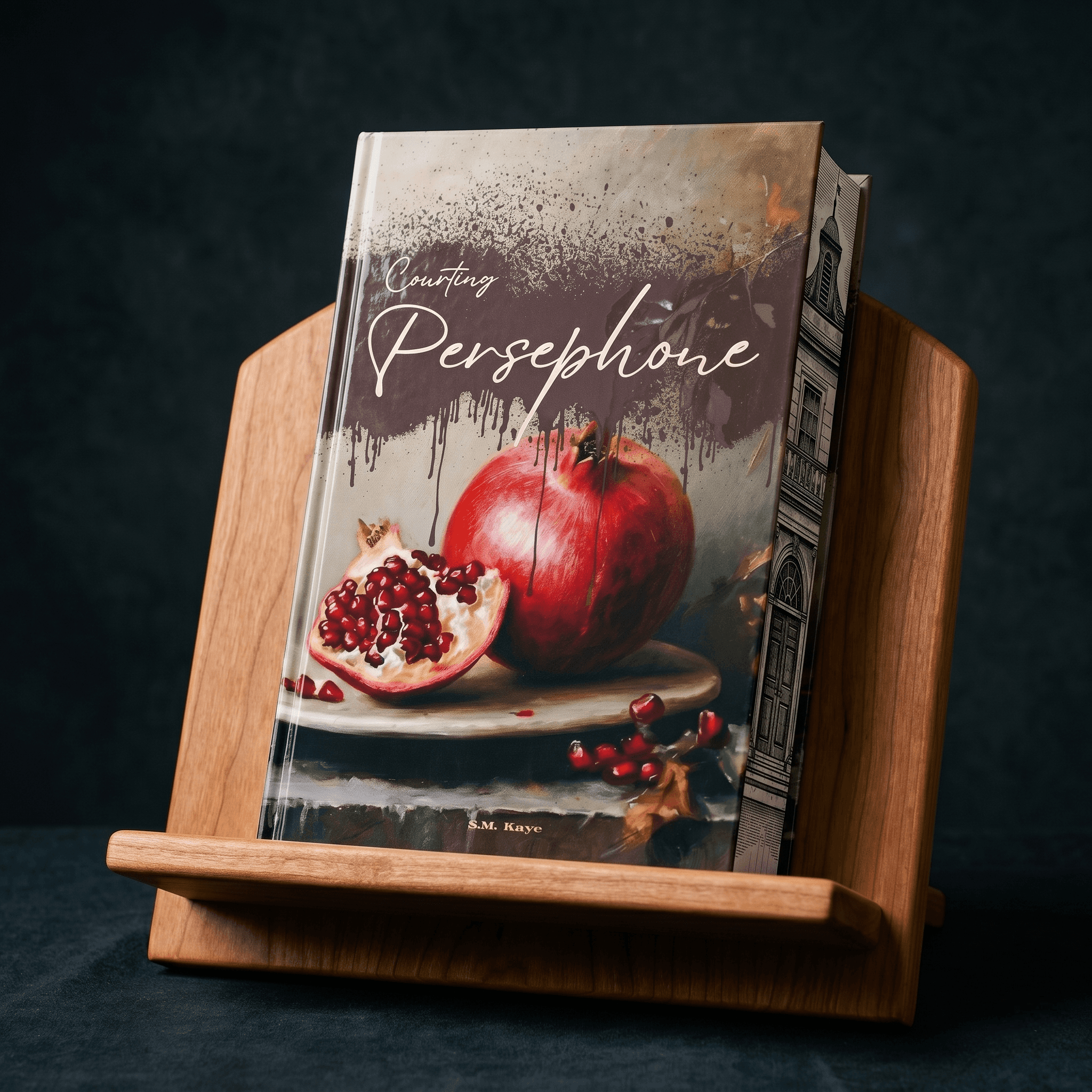
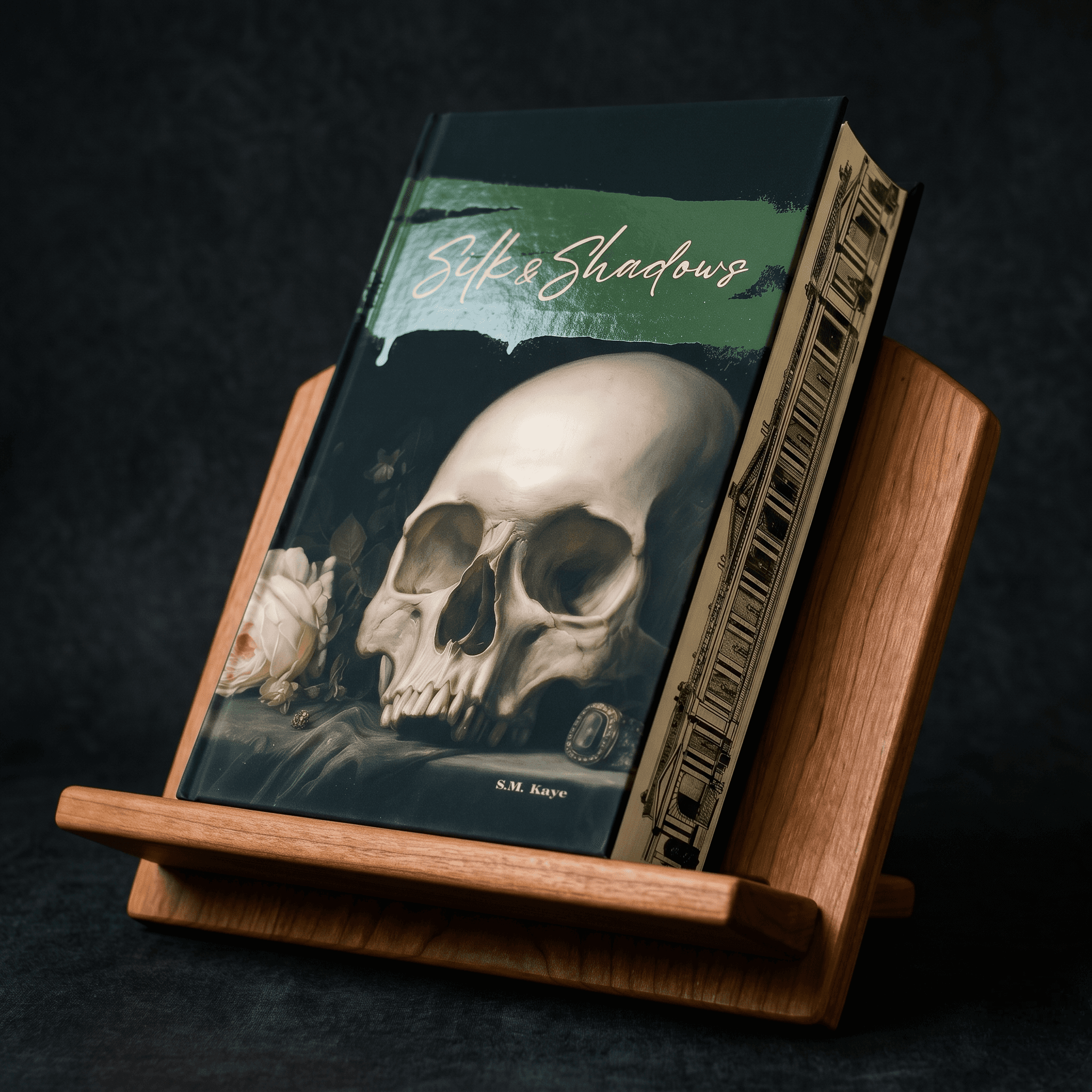
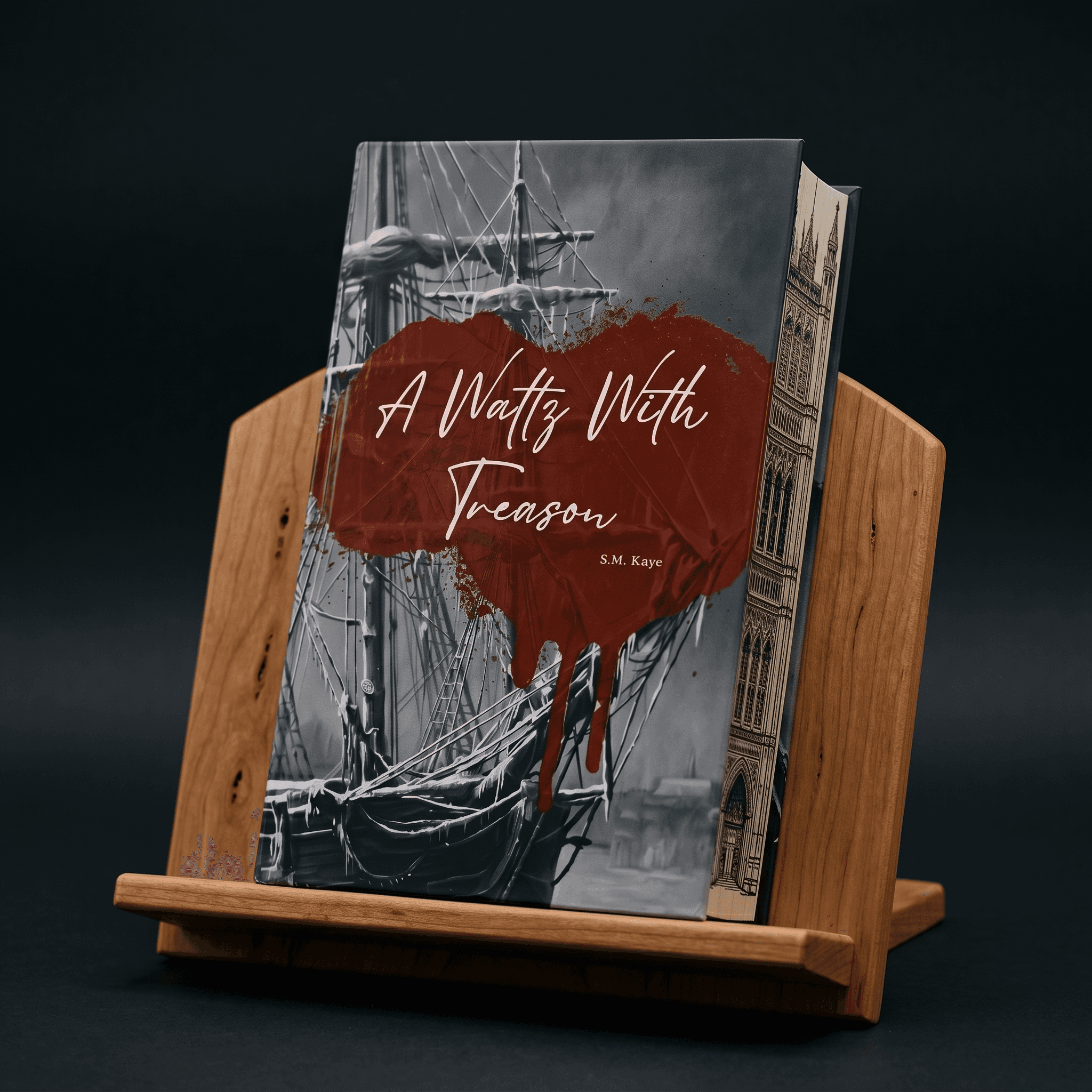
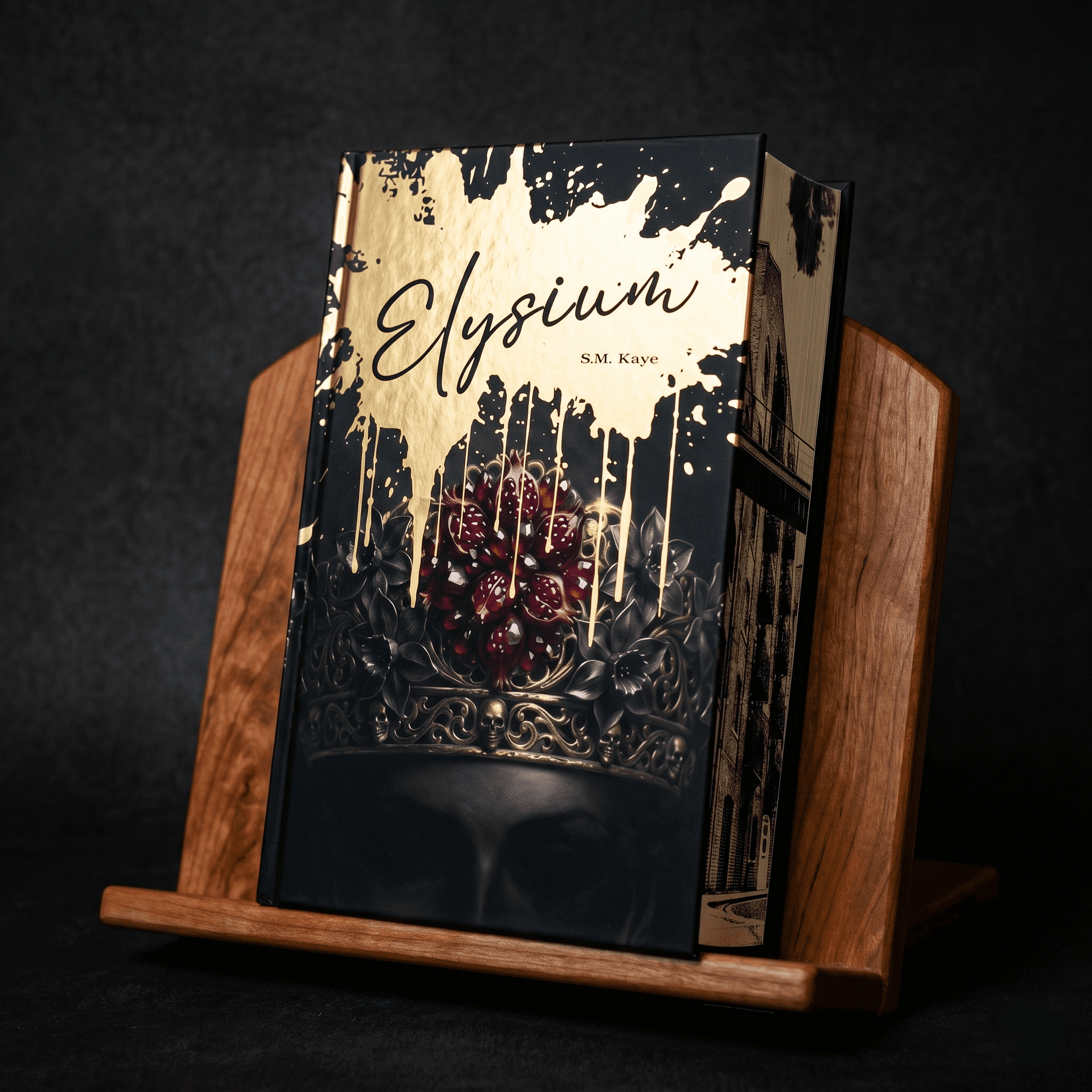
The Elysian Court Series (1810s, Regency London)
Step into 1810s London, where aristocratic glamour hides a world of ruin and treason. For this historical series, I focused on visuals that captured the era and hinted at hidden dangers. A bold metallic-foil drip cuts through classic portraiture, showing how easily destruction invades the aristocracy. To highlight the set’s historical roots, I created unique fore-edge paintings that run across all five books. These covers aim to blend classical art and architecture with the fast pace of a modern thriller.
The Requiem Trilogy (1715, Caribbean)
This fast-paced maritime story is set in the rugged Caribbean of 1715, following two fierce rivals as they chase the same legendary prize. To show the danger of this world, I used bright, intense ocean textures against a strict layout. A UV-coated band frames the embossed vertical text, symbolizing the tension between the wild sea and the strict discipline of a ship’s crew

Where the Cranes Fly (1940s, Japan)
This story takes place between metropolitan Nagasaki and a rural island in Kyushu in mid-1945, during the tense days before a major turning point in WWII, seen through the lens of a wartime wedding. To reflect this, I drew inspiration from Showa-era folding screens, mixing rich gold textures with expressive, almost tearful sumi-e ink washes. Adding vertical Japanese text below the English title required careful visual balance, mimicking how fragile everything becomes just before it breaks.
Where the Cranes Fly (1940s, Japan)
This story takes place on a rural island in Kyushu in mid-1945, during the tense days before a major turning point in WWII, seen through the lens of a wartime wedding. To reflect this, I drew inspiration from Showa-era folding screens, mixing rich gold textures with expressive, almost tearful sumi-e ink washes. Adding vertical Japanese text below the English title required careful visual balance, mimicking how fragile everything becomes just before it breaks.
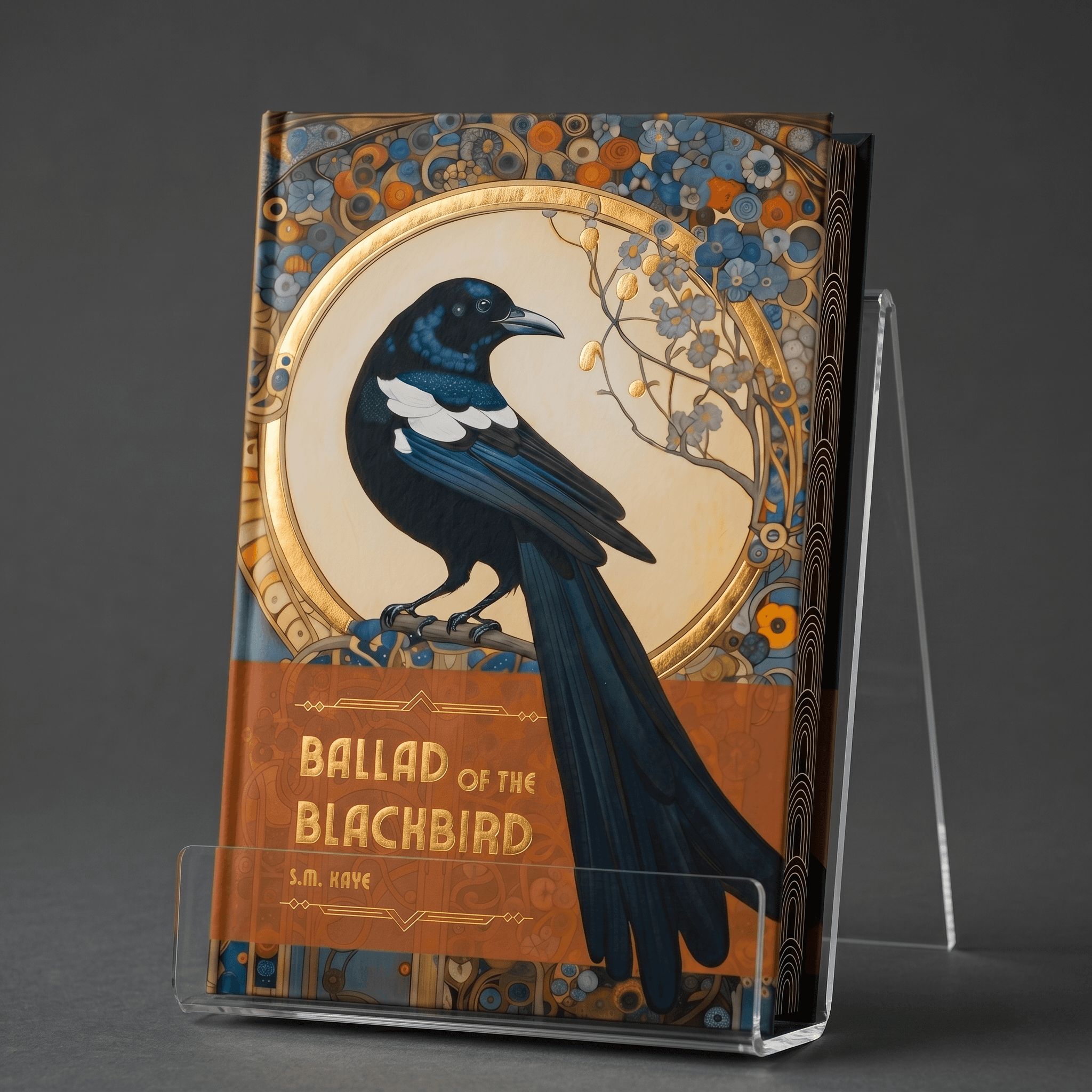
The Ballad of the Blackbird (1920s, Harlem)
This thriller takes place during a hot Harlem summer in 1926, moving through the risky, mob-run nightlife of the Jazz Age, where one mistake can mean everything. To show that energy, the cover combines bold Art Deco shapes with flowing, organic illustrations. Careful research grounds the design, and gold-foil lettering blends into the frame, creating an authentic 1920s look that draws readers into both the glamour and the grit of the era.
The Ballad of the Blackbird (1920s, Harlem)
This thriller takes place during a hot Harlem summer in 1926, moving through the risky, mob-run nightlife of the Jazz Age, where one mistake can mean everything. To show that energy, the cover combines bold Art Deco shapes with flowing, organic illustrations. Careful research grounds the design, and gold-foil lettering blends into the frame, creating an authentic 1920s look that draws readers into both the glamour and the grit of the era.
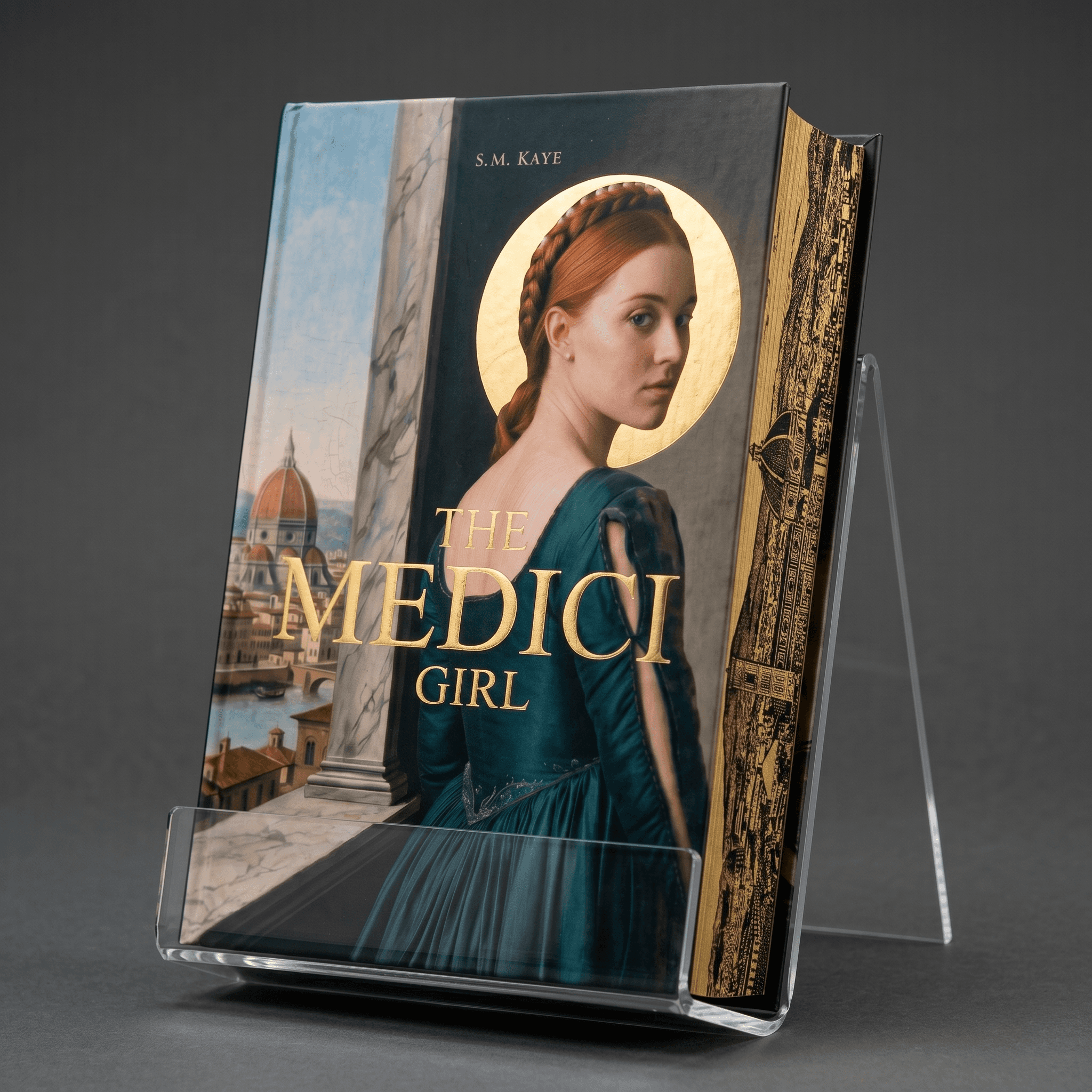
The Medici Girl (1478, Florence)
Renaissance Florence was a place where beautiful art hid ruthless political plots. For this cover, I broke from tradition by adding a bright gold halo against a deep, dark background. The halo shows the era’s intense drama and the fierce struggle for power. The sharp contrast between metallic foil and heavy shadows reflects the dangerous double life of the ruling courts.
The Medici Girl (1478, Florence)
Renaissance Florence was a place where beautiful art hid ruthless political plots. For this cover, I broke from tradition by adding a bright gold halo against a deep, dark background. The halo shows the era’s intense drama and the fierce struggle for power. The sharp contrast between metallic foil and heavy shadows reflects the dangerous double life of the ruling courts.
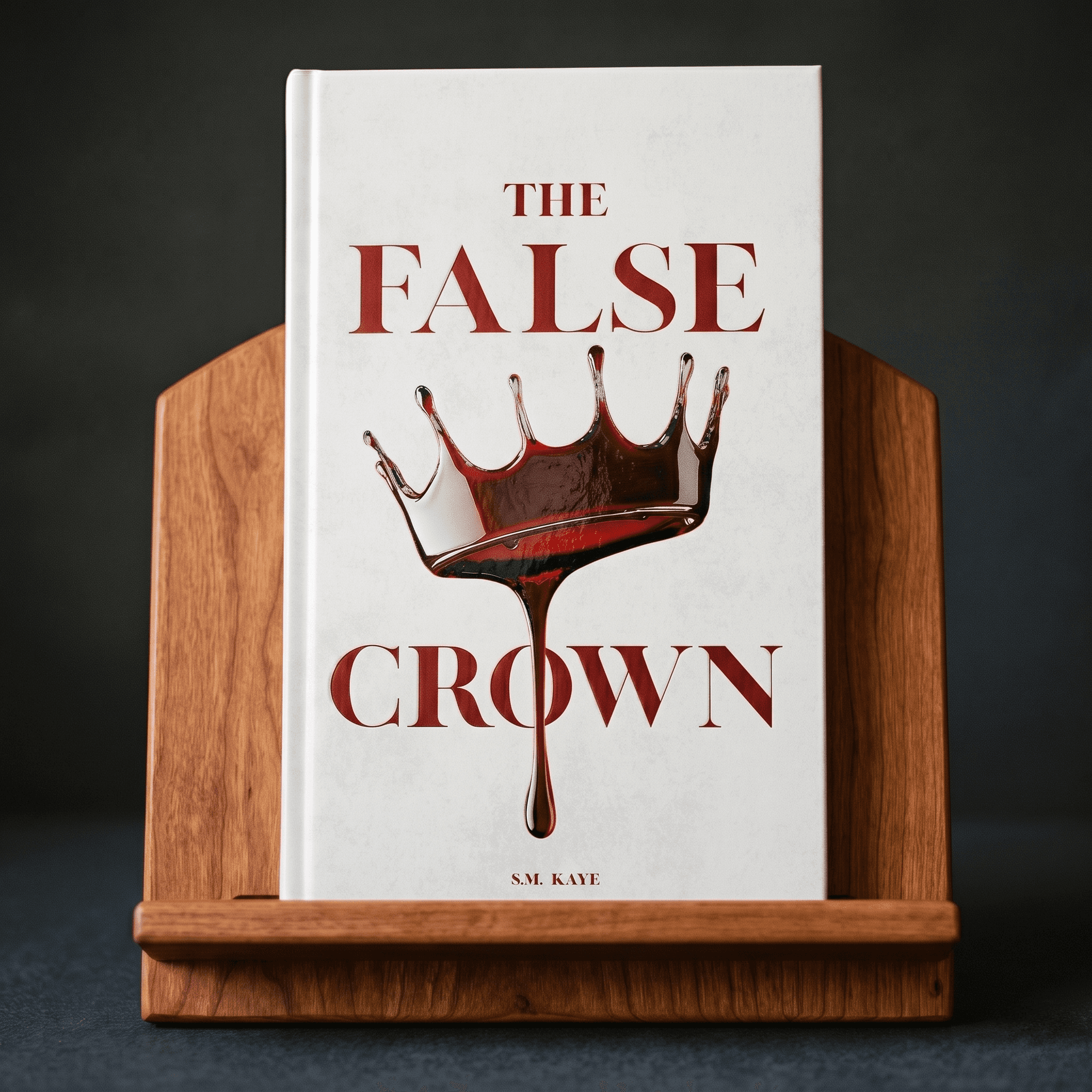
The Shadow War Trilogy (1778, New York/New Jersey)
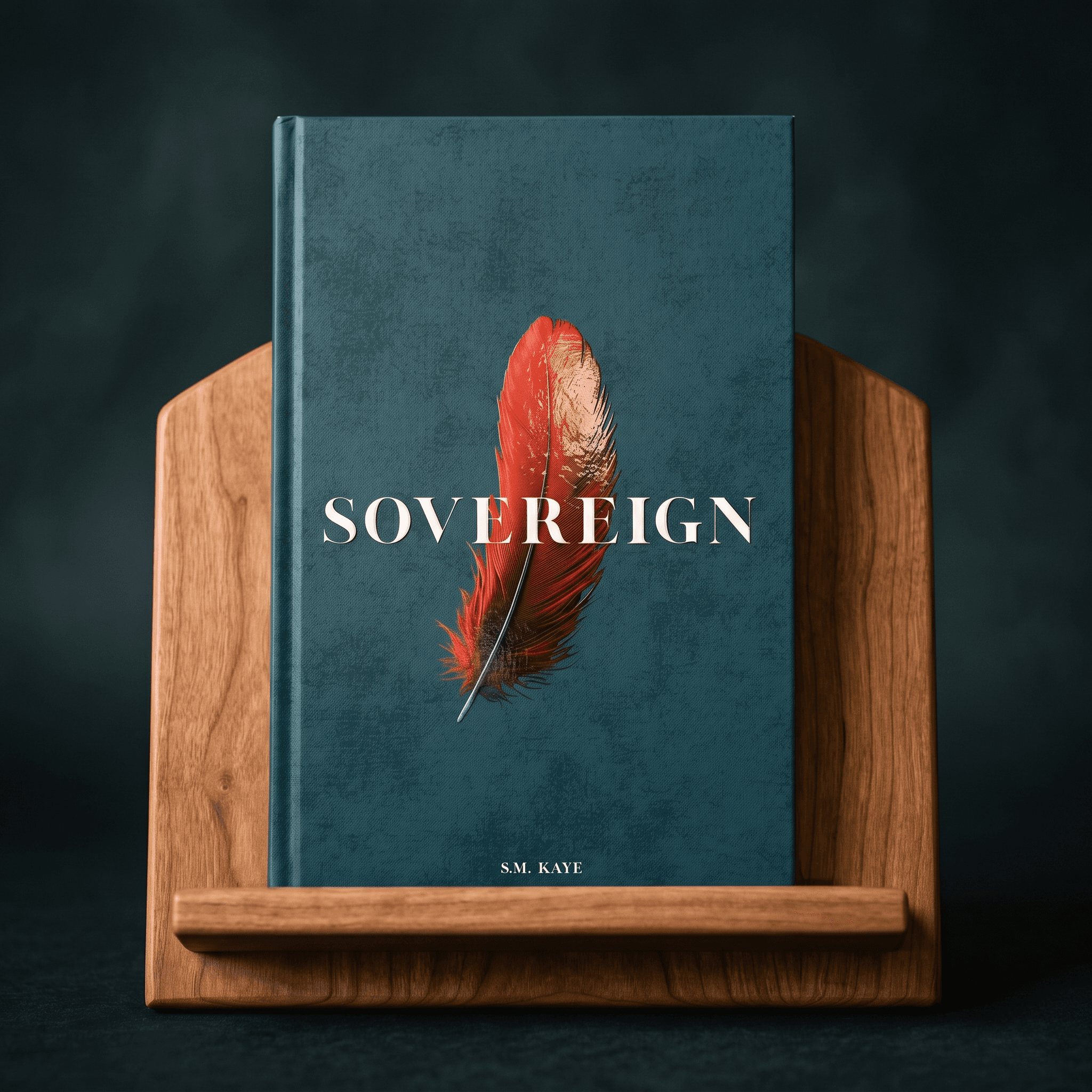
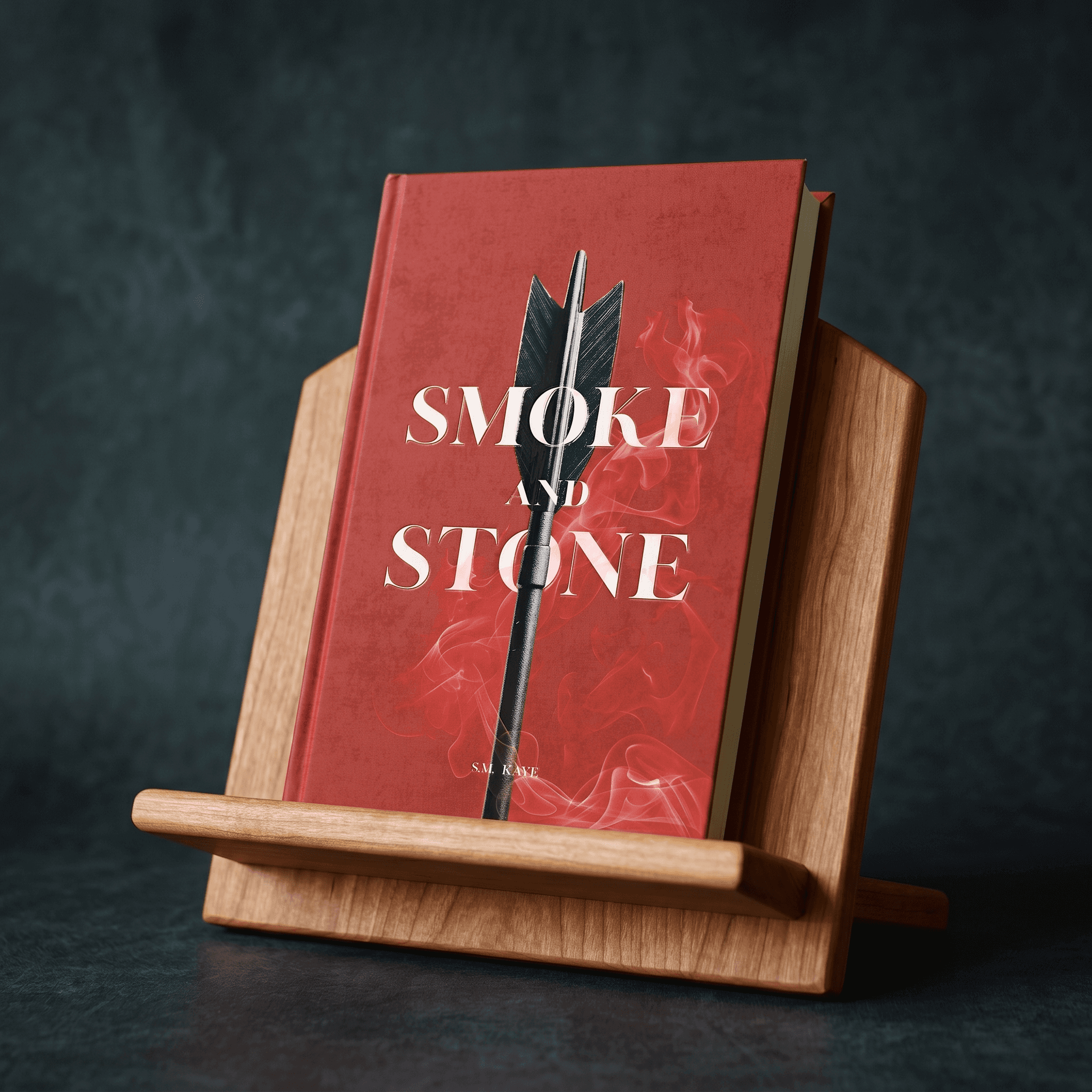
This trilogy takes place in the dangerous marshlands of the American Revolution in 1778, focusing on a secret war for Indigenous sovereignty. Each detailed object on these covers tells a part of the story: the bleeding crown shows the price of rage, the iron arrow stands for resistance, and the crimson feather means resilience. Espionage thrillers need sharp, impactful visuals, and these elements interact directly with the bold typography, creating a dynamic, layered look for the story.
The Shadow War Trilogy (1778, New York/New Jersey)
This trilogy takes place in the dangerous marshlands of the American Revolution in 1778, focusing on a secret war for Indigenous sovereignty. Each detailed object on these covers tells a part of the story: the bleeding crown shows the price of rage, the iron arrow stands for resistance, and the crimson feather means resilience. Espionage thrillers need sharp, impactful visuals, and these elements interact directly with the bold typography, creating a dynamic, layered look for the story.

The Requiem Trilogy (1715, Caribbean)
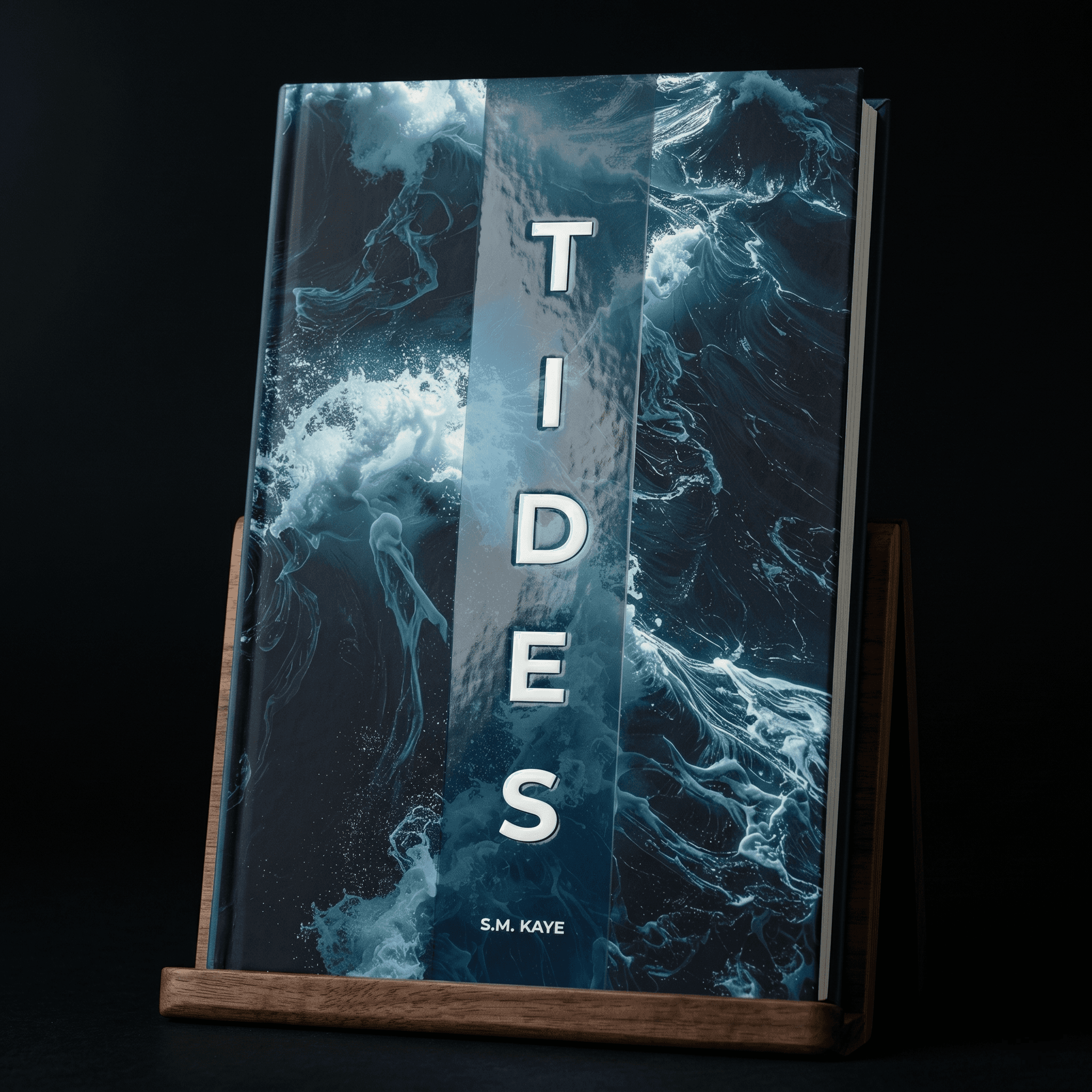
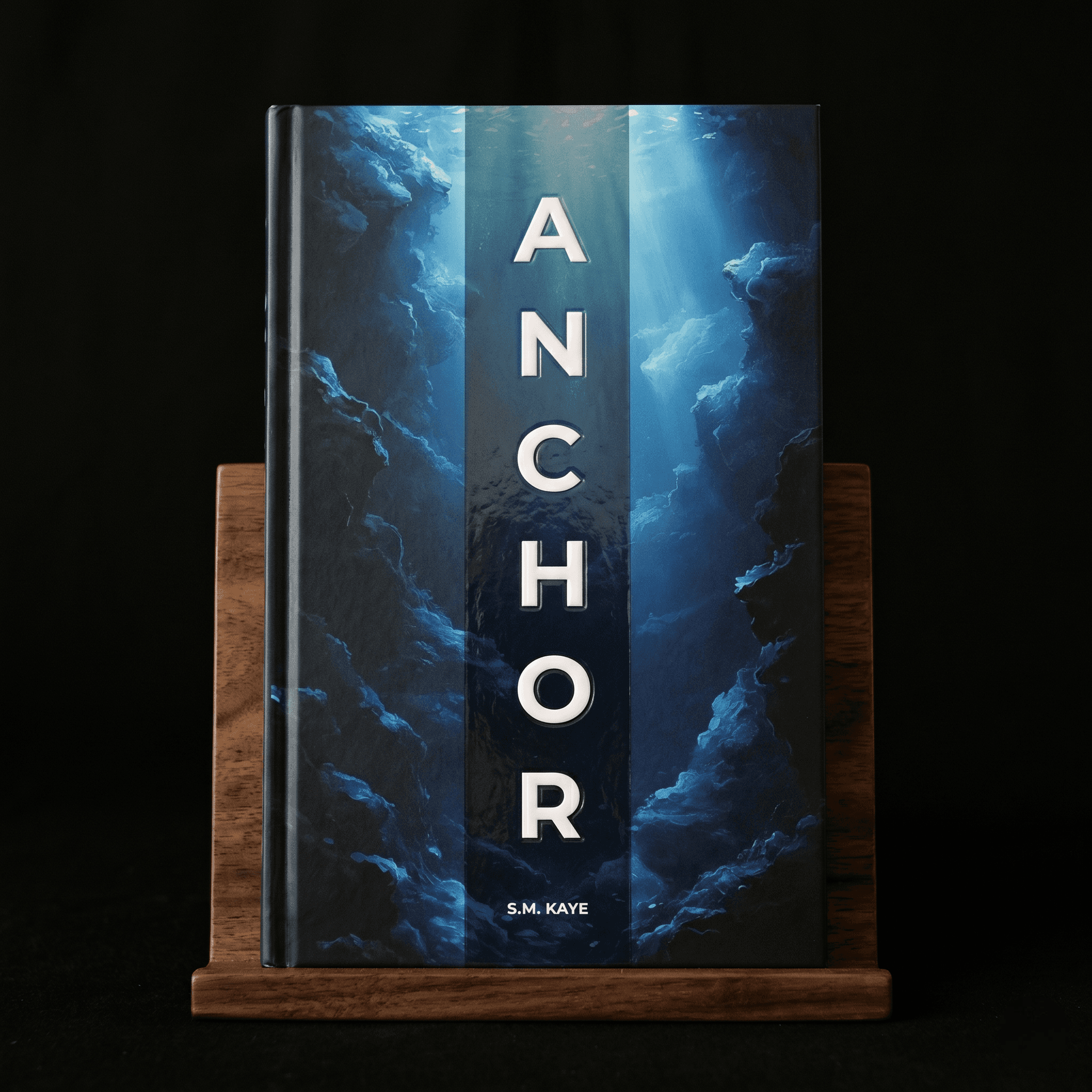
This fast-paced maritime story is set in the rugged Caribbean of 1715, following two fierce rivals as they chase the same legendary prize. To show the danger of this world, I used bright, intense ocean textures against a strict layout. A UV-coated band frames the embossed vertical text, symbolizing the tension between the wild sea and the strict discipline of a ship’s crew
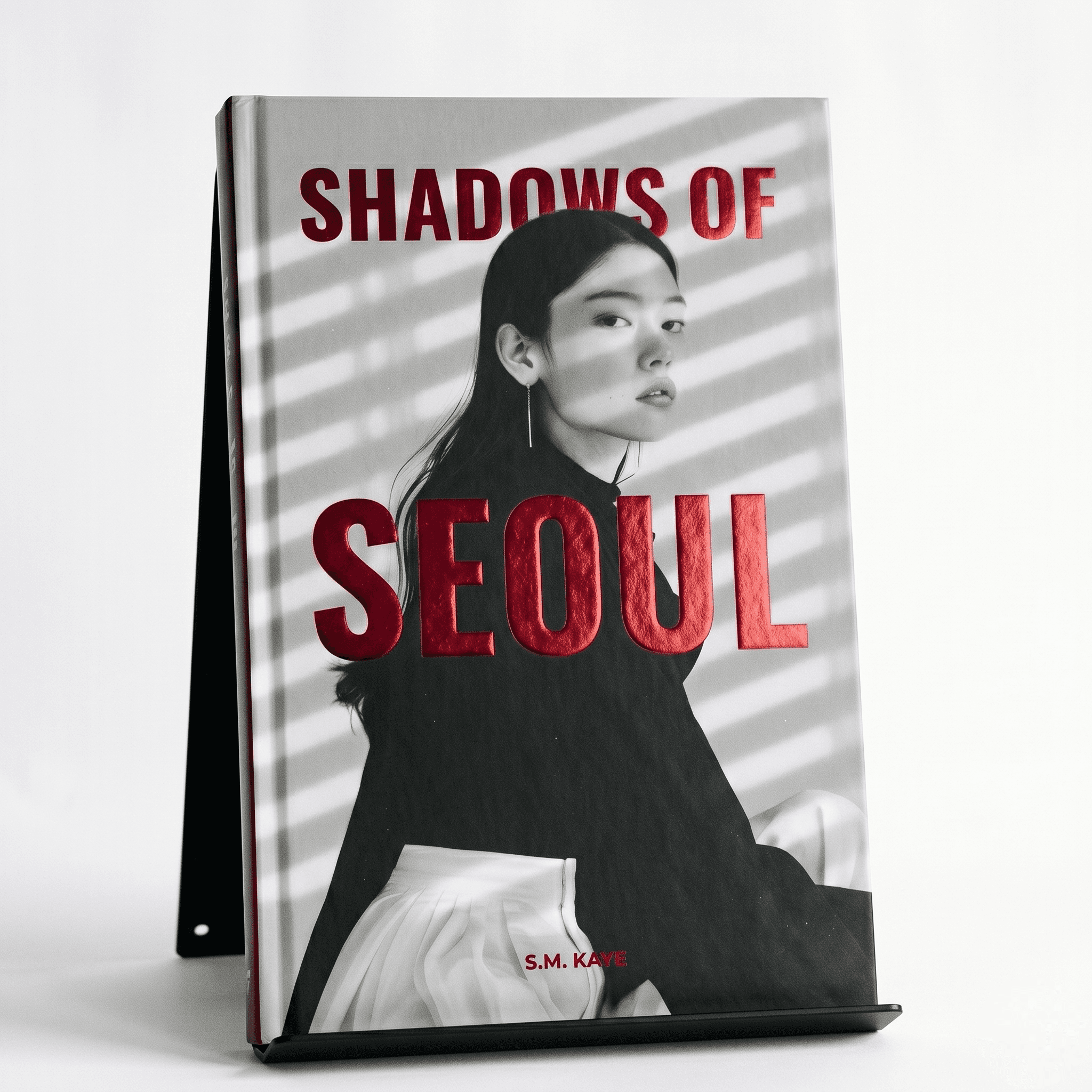

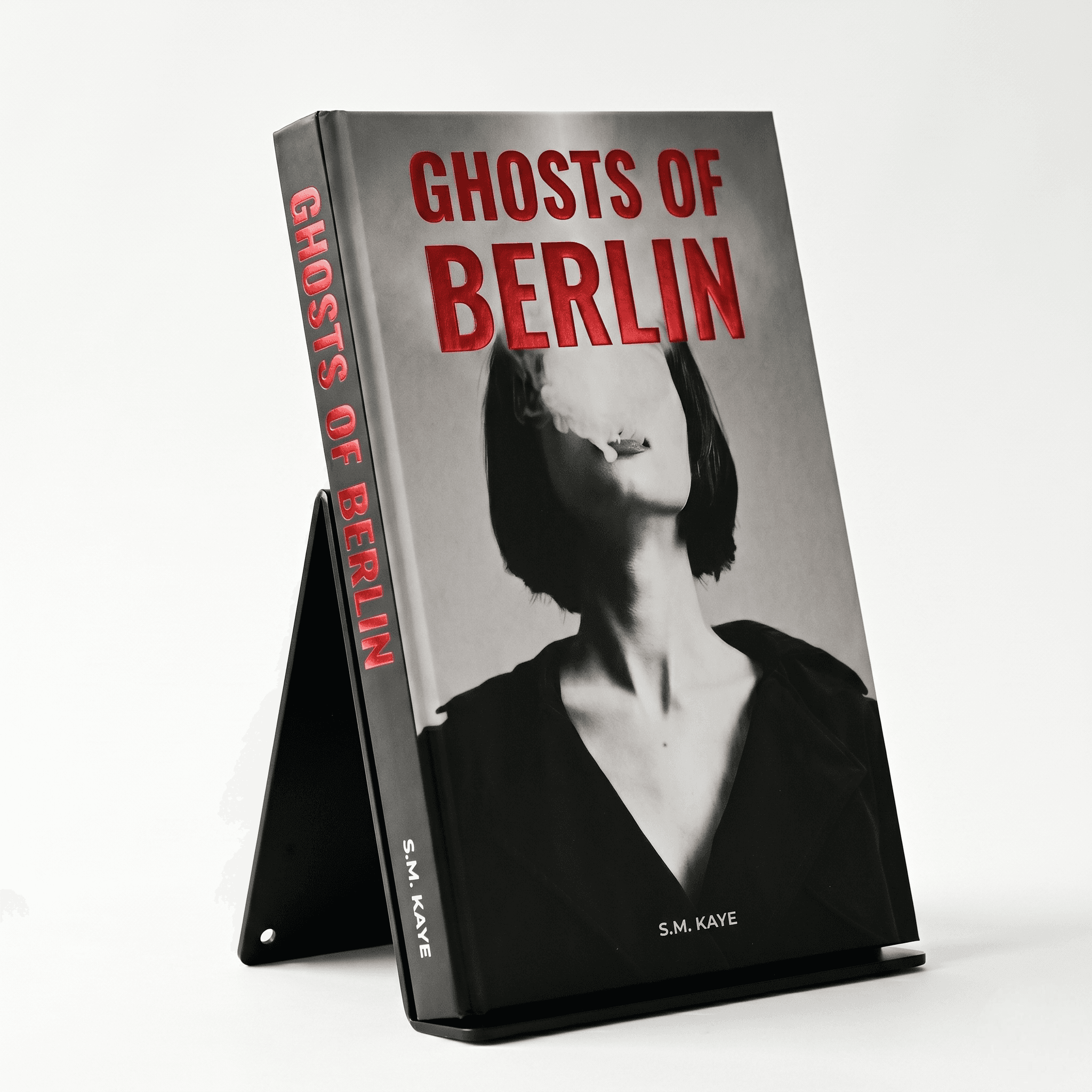
Divided Cities Trilogy (1960, Seoul; 1961, Berlin; 1962, Havana)
The Cold War was marked by secrets, high-stakes spying, and divided loyalties around the world. For these thrillers, I chose high-contrast photos, strict monochrome colors, and bold metallic red text instead of traditional illustrations. Dramatic shadows ground the covers and make them feel immersive, matching the cold, ruthless world of 20th-century spies.
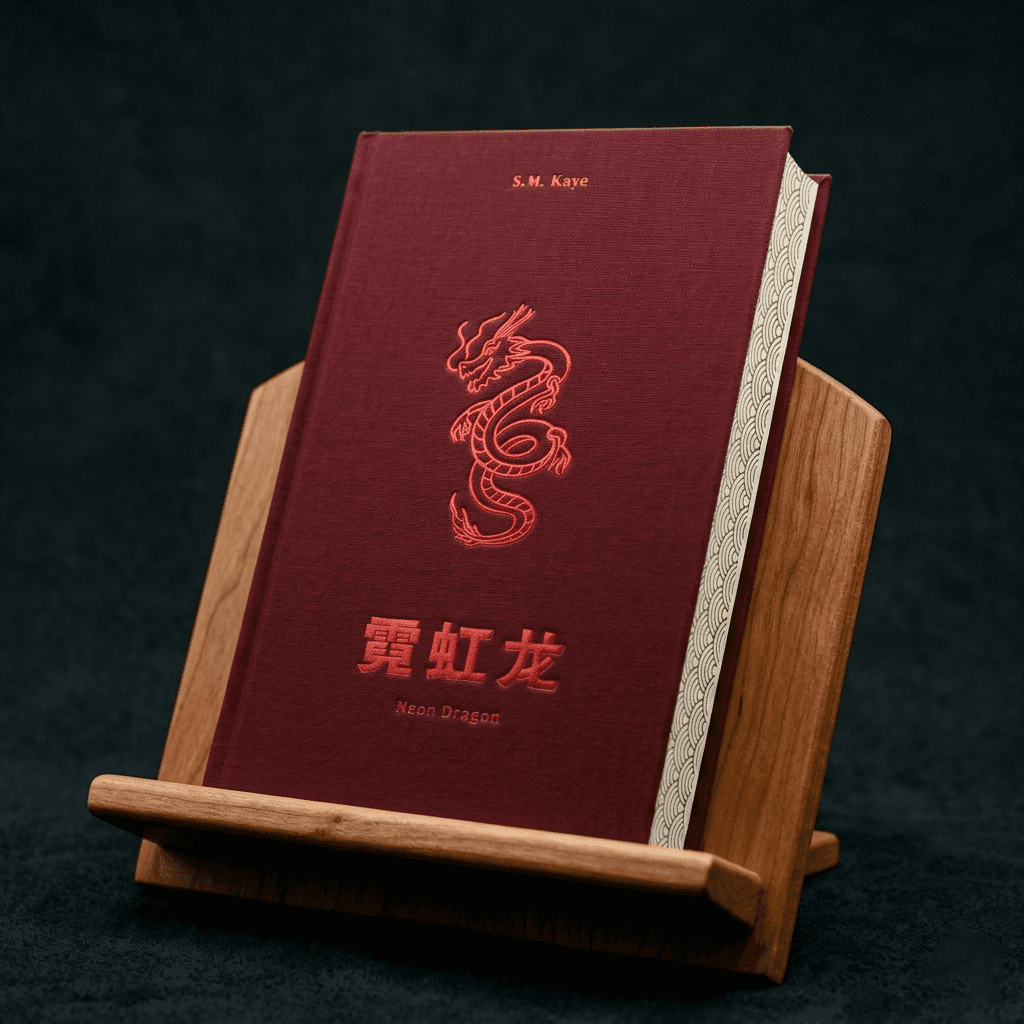
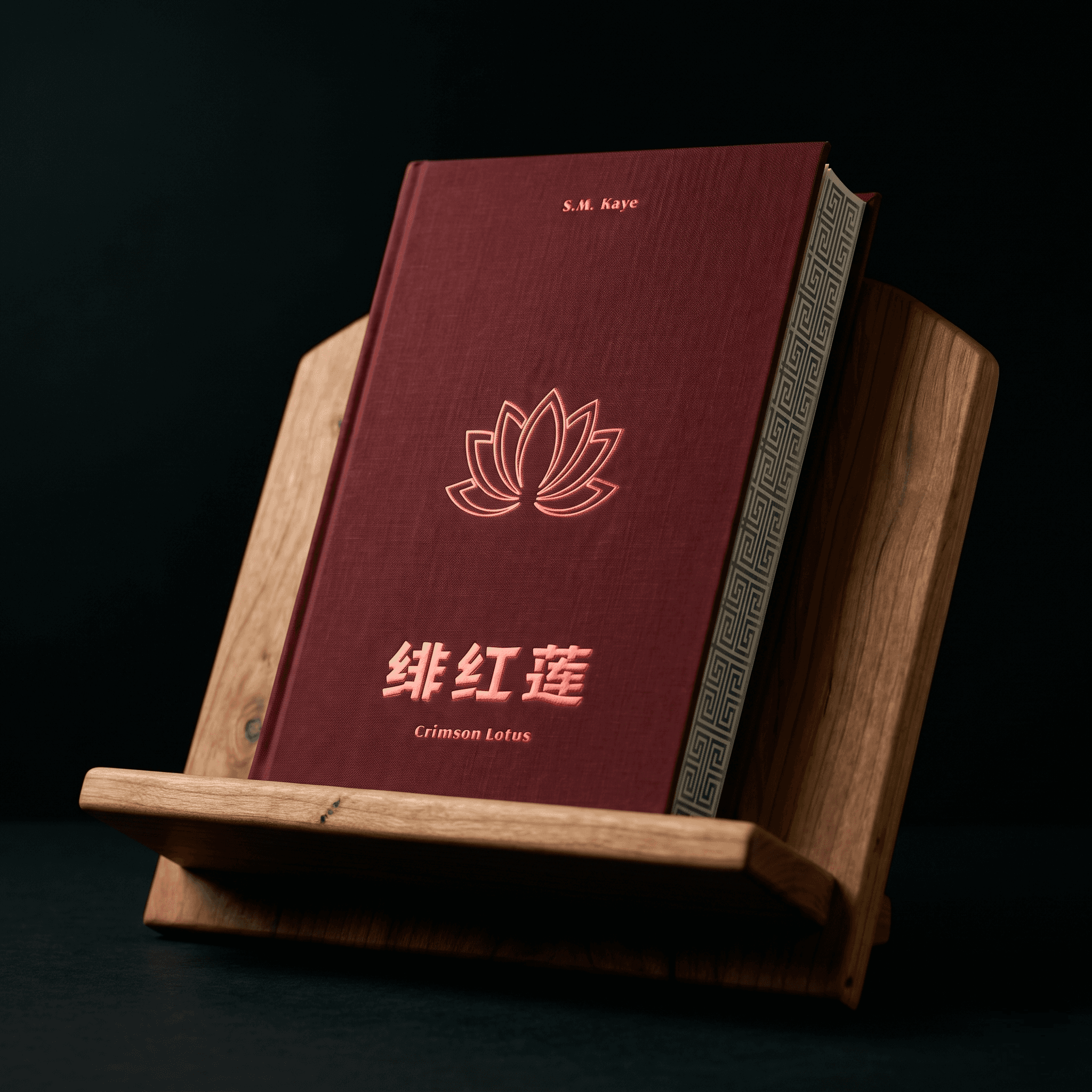
The Neon Dragon Duology (1930s, Shanghai)
1930s Shanghai was full of contrasts, an international city where glamour and secret syndicates met. In these designs, I aimed to capture the hidden, elegant feel of old money with rich monochrome colors, subtle foil touches, and stenciled edges that fit the era. The textured, clothbound style hints at the hidden stories and secrets of the city’s elite.
The Neon Dragon Duology (1930s, Shanghai)
1930s Shanghai was full of contrasts, an international city where glamour and secret syndicates met. In these designs, I aimed to capture the hidden, elegant feel of old money with rich monochrome colors, subtle foil touches, and stenciled edges that fit the era. The textured, clothbound style hints at the hidden stories and secrets of the city’s elite.
Divided Cities Trilogy (1960, Seoul; 1961, Berlin; 1962, Havana)
The Cold War was marked by secrets, high-stakes spying, and divided loyalties around the world. For these thrillers, I chose high-contrast photos, strict monochrome colors, and bold metallic red text instead of traditional illustrations. Dramatic shadows ground the covers and make them feel immersive, matching the cold, ruthless world of 20th-century spies.
The Elysian Court Series (1810s, Regency London)
Step into 1810s London, where aristocratic glamour hides a world of ruin and treason. For this historical series, I focused on visuals that captured the era and hinted at hidden dangers. A bold metallic-foil drip cuts through classic portraiture, showing how easily destruction invades the aristocracy. To highlight the set’s historical roots, I created unique fore-edge paintings that run across all five books. These covers aim to blend classical art and architecture with the fast pace of a modern thriller.
Sam Kaye
2026
All rights reserved.
Sam Kaye
2026
All rights reserved.
Contact
Work
Sam Kaye
All rights reserved.
2026

The Neon Dragon Duology (1930s, Shanghai)
1930s Shanghai was full of contrasts, an international city where glamour and secret syndicates met. In these designs, I aimed to capture the hidden, elegant feel of old money with rich monochrome colors, subtle foil touches, and stenciled edges that fit the era. The textured, clothbound style hints at the hidden stories and secrets of the city’s elite.
The Elysian Court Series (1810s, Regency London)
Step into 1810s London, where aristocratic glamour hides a world of ruin and treason. For this historical series, I focused on visuals that captured the era and hinted at hidden dangers. A bold metallic-foil drip cuts through classic portraiture, showing how easily destruction invades the aristocracy. To highlight the set’s historical roots, I created unique fore-edge paintings that run across all five books. These covers aim to blend classical art and architecture with the fast pace of a modern thriller.
The Requiem Trilogy (1715, Caribbean)
This fast-paced maritime story is set in the rugged Caribbean of 1715, following two fierce rivals as they chase the same legendary prize. To show the danger of this world, I used bright, intense ocean textures against a strict layout. A UV-coated band frames the embossed vertical text, symbolizing the tension between the wild sea and the strict discipline of a ship’s crew
Where the Cranes Fly (1940s, Japan)
This story takes place between metropolitan Nagasaki and a rural island in Kyushu in mid-1945, during the tense days before a major turning point in WWII, seen through the lens of a wartime wedding. To reflect this, I drew inspiration from Showa-era folding screens, mixing rich gold textures with expressive, almost tearful sumi-e ink washes. Adding vertical Japanese text below the English title required careful visual balance, mimicking how fragile everything becomes just before it breaks.
The Ballad of the Blackbird (1920s, Harlem)
This thriller takes place during a hot Harlem summer in 1926, moving through the risky, mob-run nightlife of the Jazz Age, where one mistake can mean everything. To show that energy, the cover combines bold Art Deco shapes with flowing, organic illustrations. Careful research grounds the design, and gold-foil lettering blends into the frame, creating an authentic 1920s look that draws readers into both the glamour and the grit of the era.
The Medici Girl (1478, Florence)
Renaissance Florence was a place where beautiful art hid ruthless political plots. For this cover, I broke from tradition by adding a bright gold halo against a deep, dark background. The halo shows the era’s intense drama and the fierce struggle for power. The sharp contrast between metallic foil and heavy shadows reflects the dangerous double life of the ruling courts.
The Shadow War Trilogy (1778, New York/New Jersey)
This trilogy takes place in the dangerous marshlands of the American Revolution in 1778, focusing on a secret war for Indigenous sovereignty. Each detailed object on these covers tells a part of the story: the bleeding crown shows the price of rage, the iron arrow stands for resistance, and the crimson feather means resilience. Espionage thrillers need sharp, impactful visuals, and these elements interact directly with the bold typography, creating a dynamic, layered look for the story.
Divided Cities Trilogy (1960, Seoul; 1961, Berlin; 1962, Havana)
The Cold War was marked by secrets, high-stakes spying, and divided loyalties around the world. For these thrillers, I chose high-contrast photos, strict monochrome colors, and bold metallic red text instead of traditional illustrations. Dramatic shadows ground the covers and make them feel immersive, matching the cold, ruthless world of 20th-century spies.